

FUEL POLISHING SYSTEMS AND FUEL MAINTENANCE
Diesel fuel — in its physical condition, chemical composition, and calorific value — is the energy source for Generators and Dynamic UPS systems. In other words, it is an active component of the infrastructure, just like the generators and dynamic UPS systems themselves. From the moment it is stored, fuel begins to degrade. If left unmonitored and without the necessary preventive maintenance, it deteriorates physically and chemically — meaning emergency power systems may fail to start when needed, or develop costly failures.
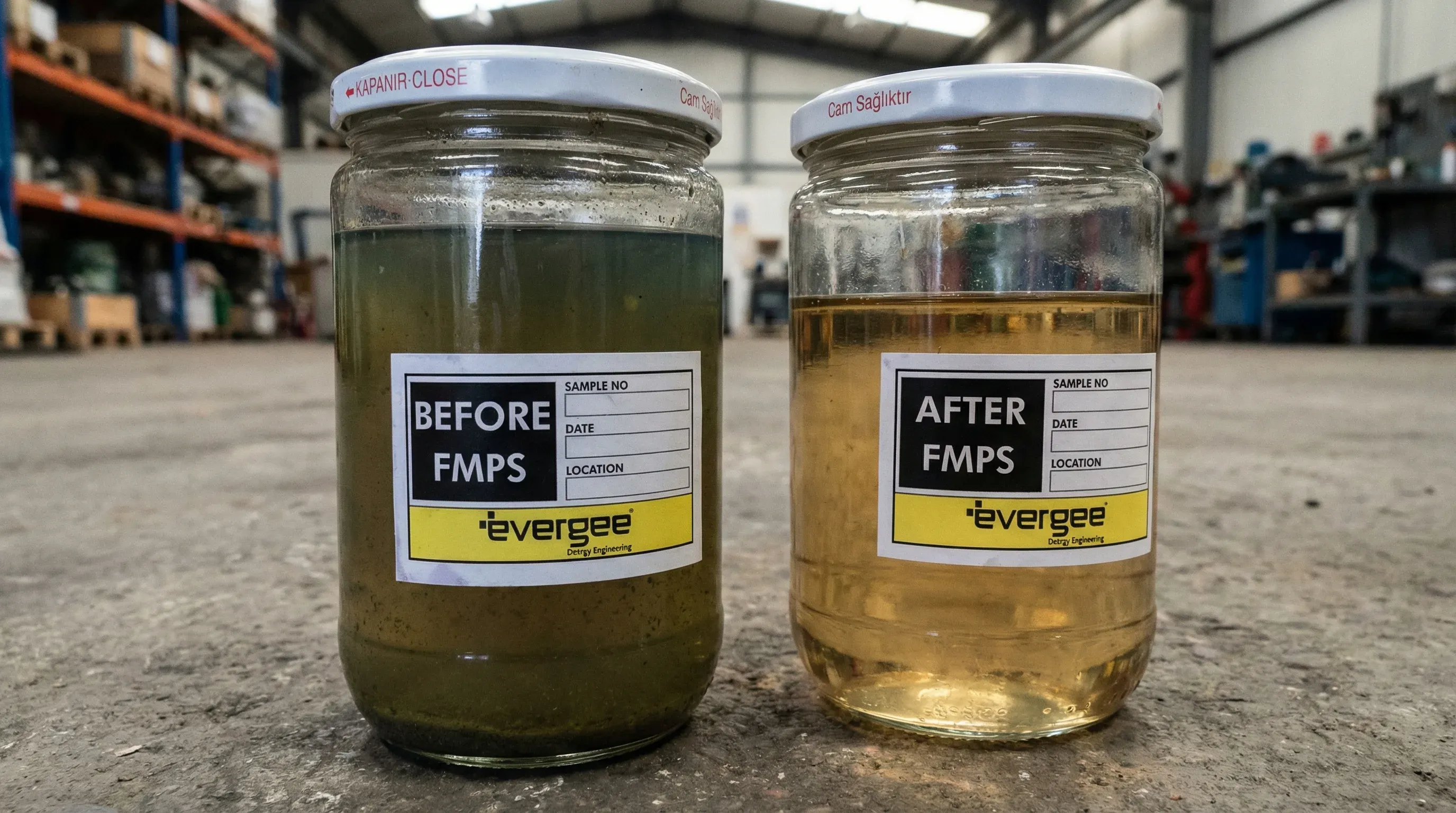
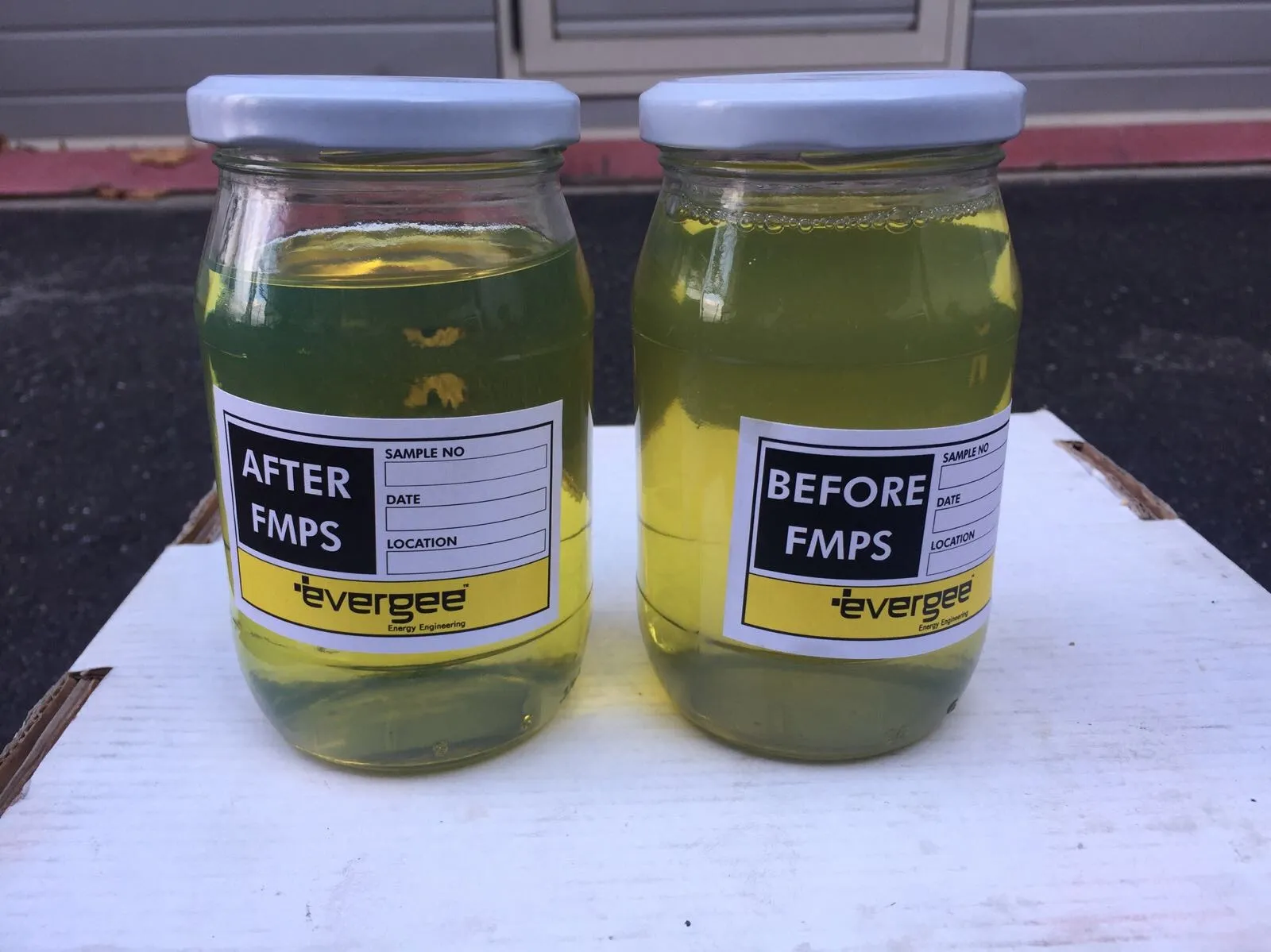
Fuel Polishing Systems are generally closed-loop filtration equipment that deliver the physical cleaning diesel requires. This typically involves separating water that has settled at the bottom of the tank and removing solid contamination from the fuel.
However, the maintenance cycle fuel needs goes beyond this. Because of its hygroscopic nature, diesel continuously absorbs moisture from the environment and takes on significant quantities of emulsified water — water that must be removed. Emulsified water degrades the oxidation stability of the fuel, increases viscosity, and damages the injectors responsible for spraying fuel homogeneously into the combustion chamber. Furthermore, since diesel is a fossil hydrocarbon, it contains numerous bacterial spores. These organisms continuously colonise at the fuel/water interface or along tank walls, forming biological matter that clogs filters and injectors. Fuel maintenance must therefore include an organic neutralisation process to prevent this bacterial and fungal growth.
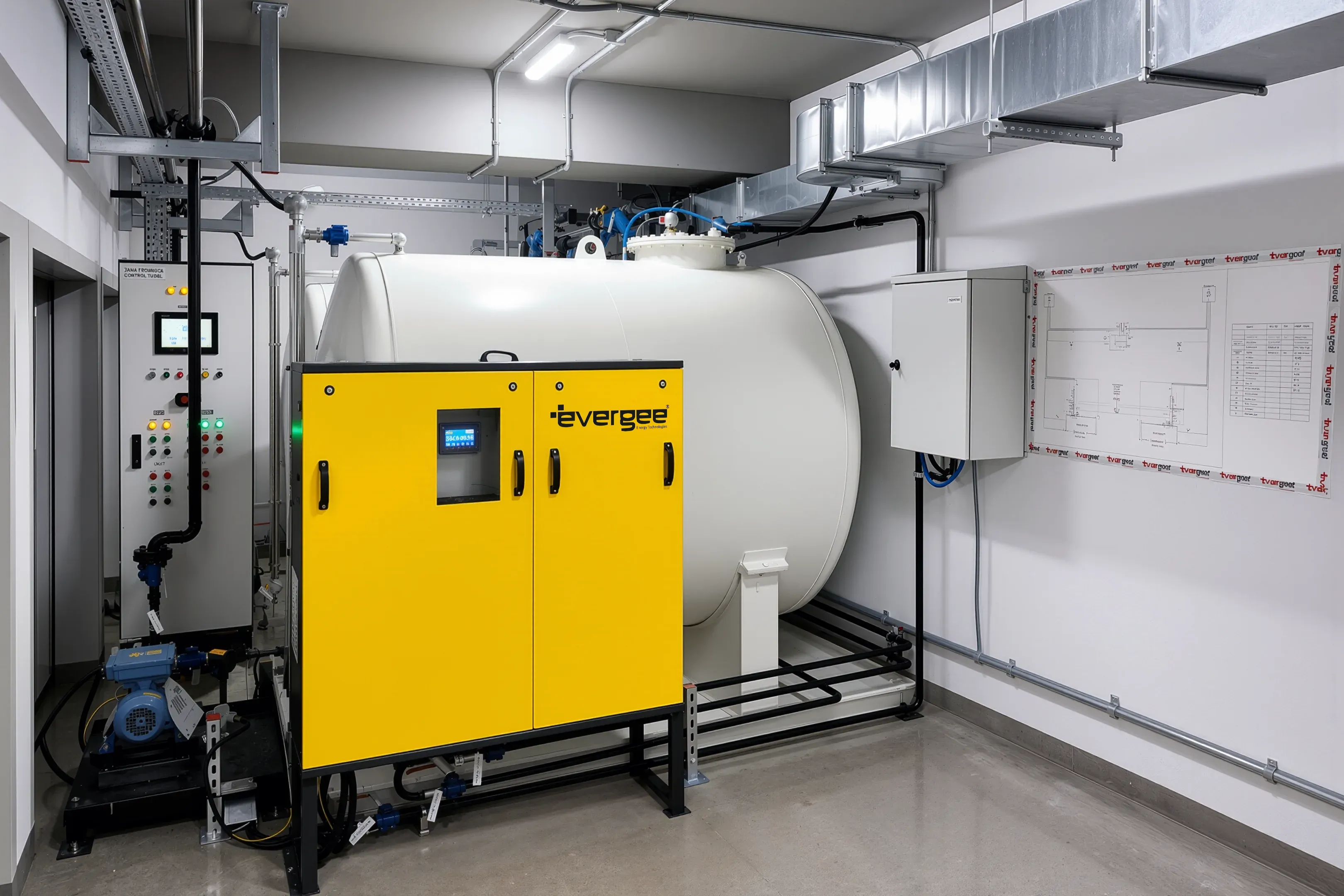
Beyond physical cleaning, the calorific condition of the fuel must be kept under continuous chemical protection. The necessary antibiotics, stabilisers, detergents, lubricants, organic dispersants, and injector cleaners must be delivered to the fuel through a controlled dosing infrastructure. All parameters governing combustibility — cetane index, viscosity, volatility — must be protected through a patented platform.
Fuel polishing systems and diesel fuel continuous maintenance systems must be brought together within the same architecture, ensuring that the stored energy source for critical operations is always service-ready at refinery-exit specification.
The question should not be whether a diesel fuel-related shutdown will happen to us — but what we stand to lose if it does.
Trust Your Fuel. Trust Your Emergency Power Systems.